Published:
How can we make scientific knowledge more accessible to young learners while encouraging them to see themselves as future contributors to science?
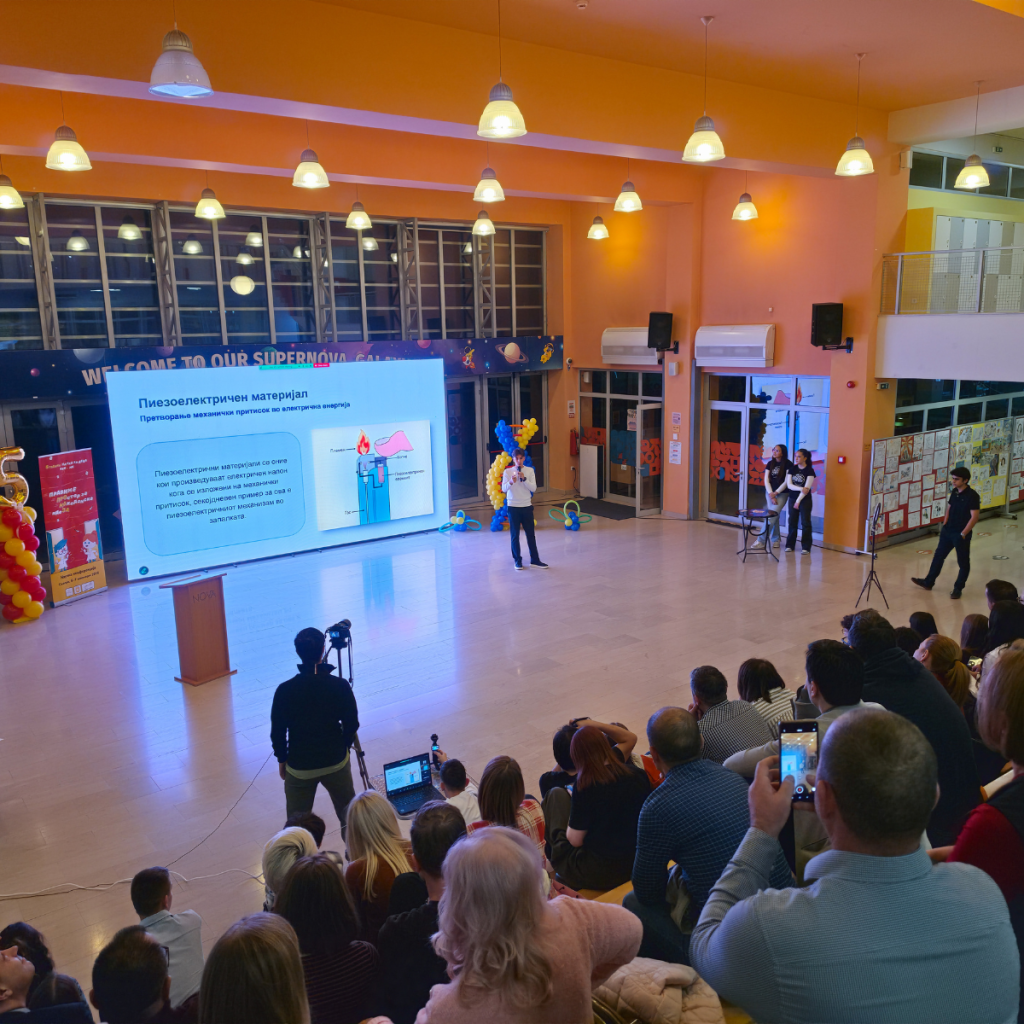
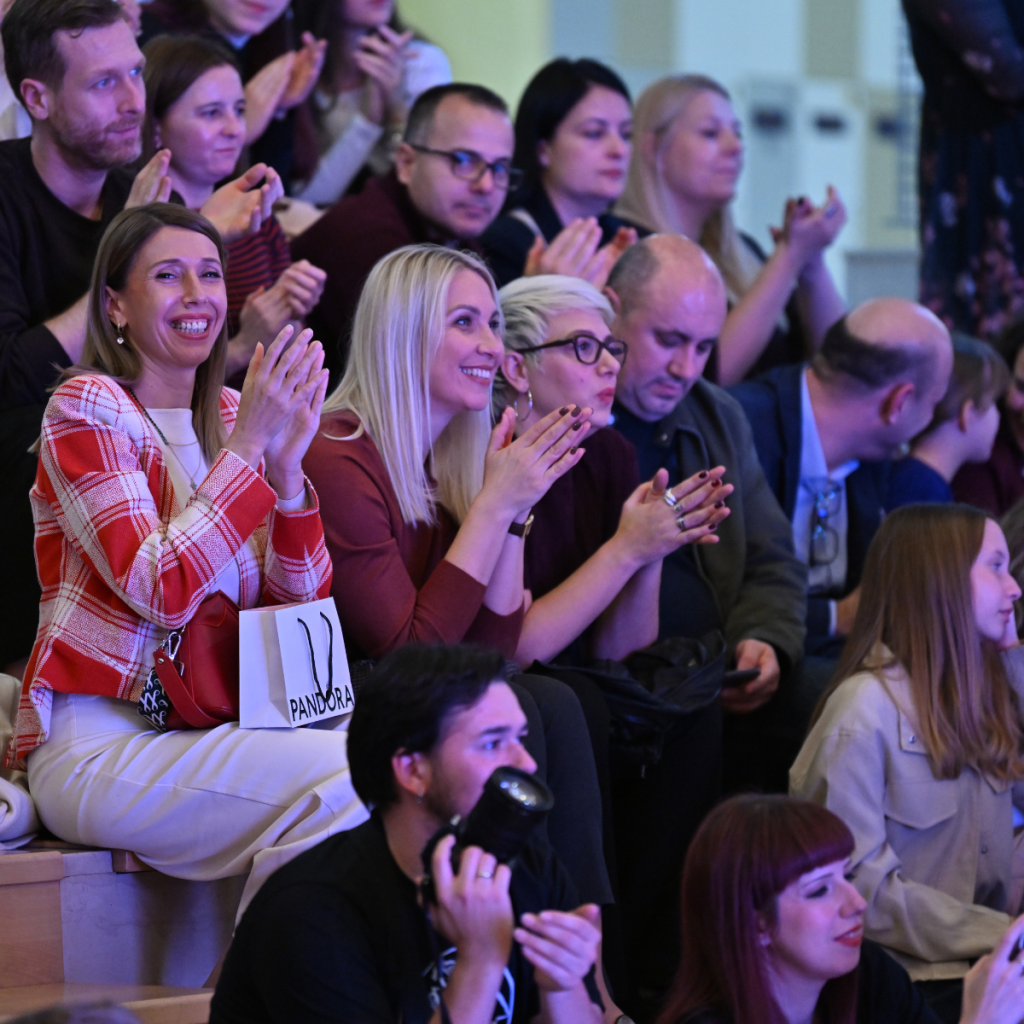
We were pleased to host the fifth edition of the Science for Kids Conference at NOVA International School Skopje, with this year’s program highlighting Macedonian science, scientific achievement, and the importance of mentorship.
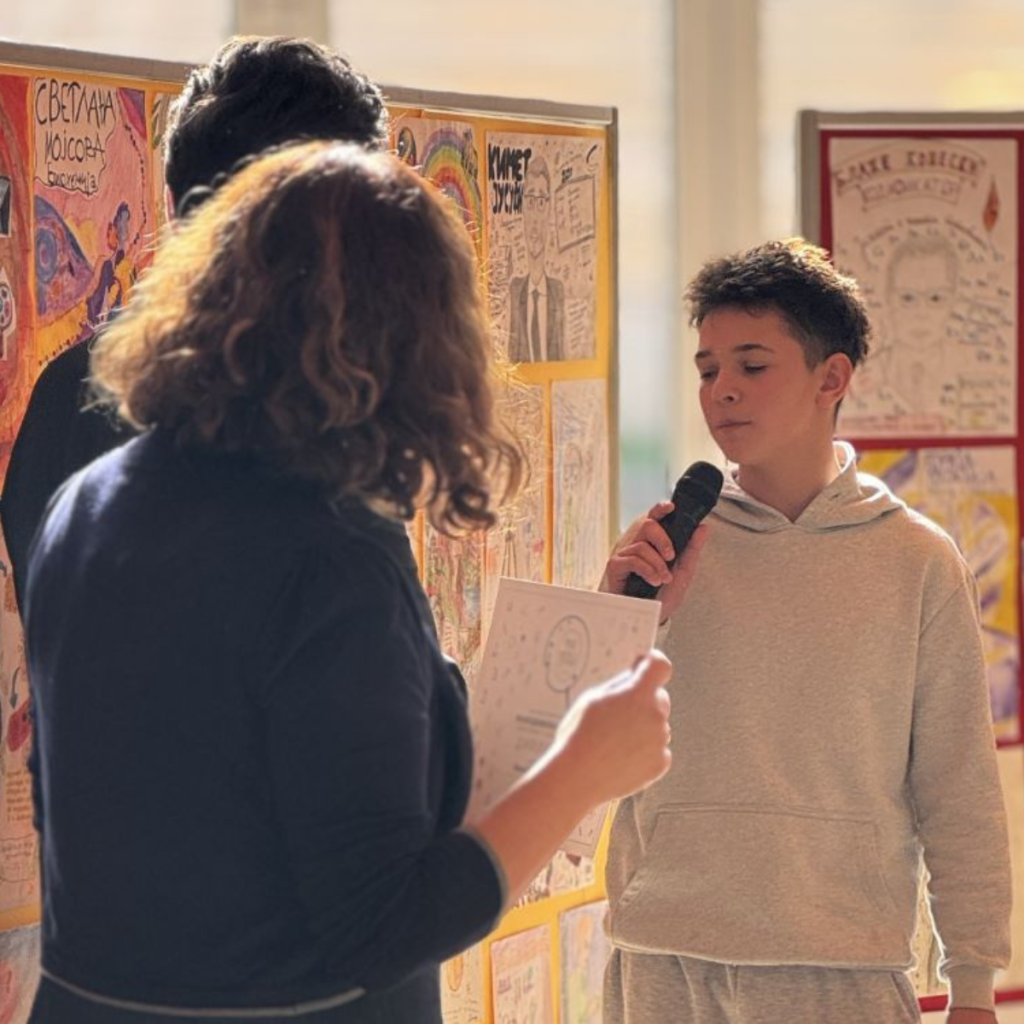
Friday’s program featured presentations by high school students Zoran Ilijoski, Sofija Saltirovska, Jakov Grujovski, and Ognen Arsovski. Each student benefited from the guidance of Macedonian scientists working abroad, whose generosity, patience, and commitment demonstrate the lasting value of connecting established researchers with young learners.
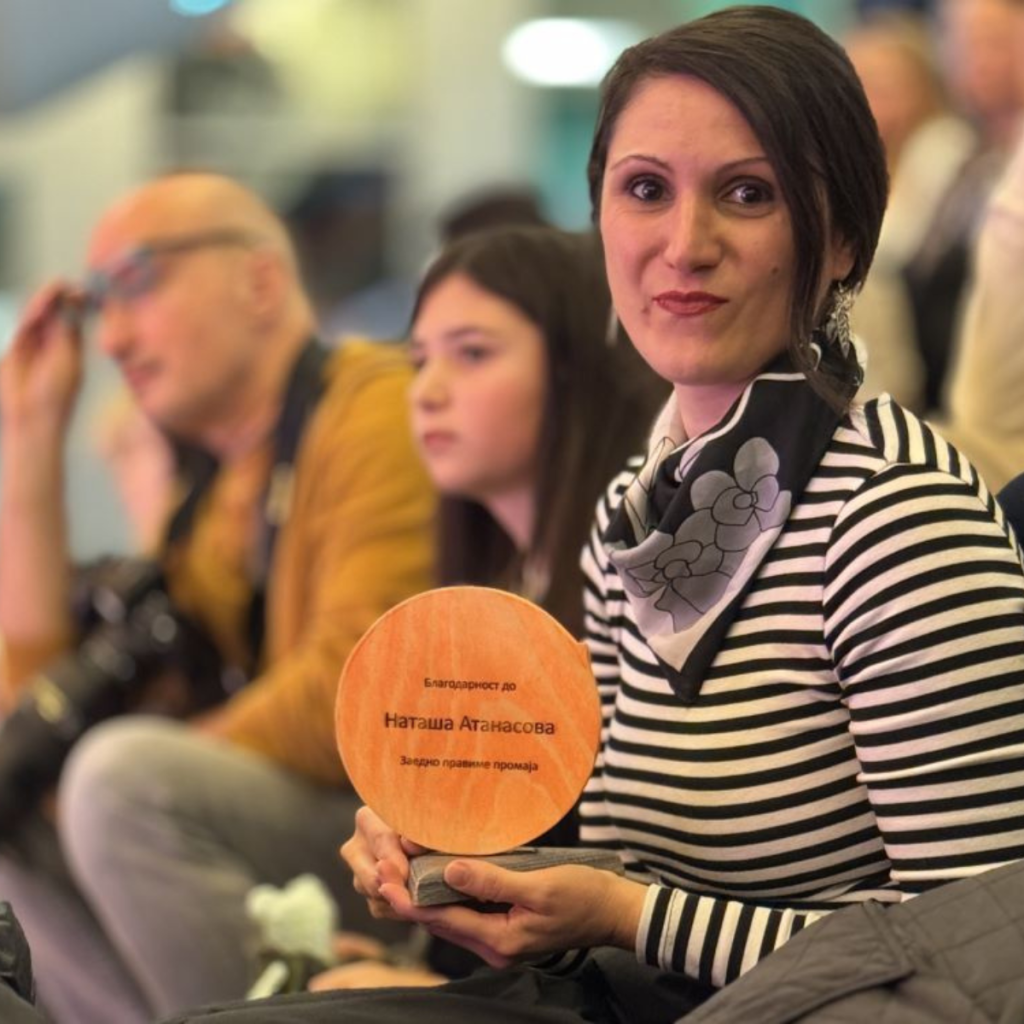
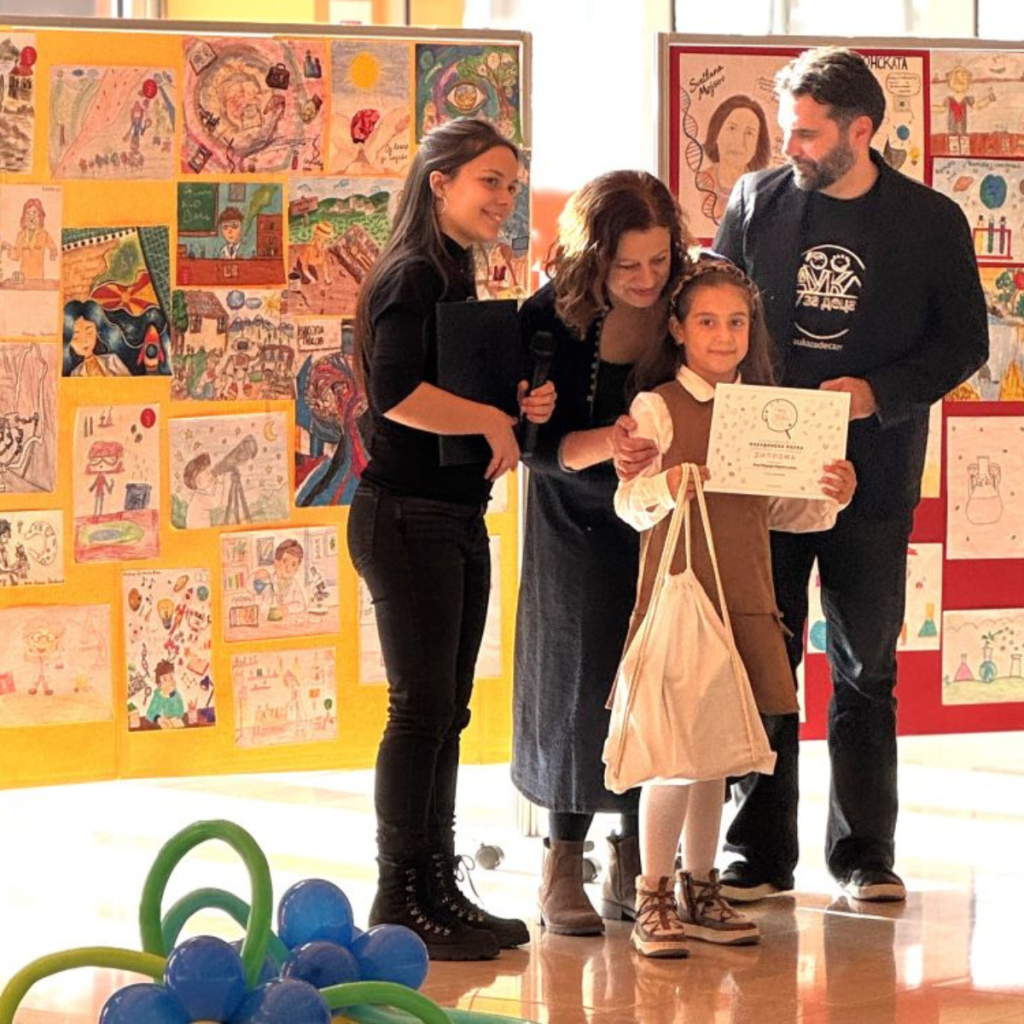
The conference also recognized Kaja Atanasova Gjorgjieva with the Colleague Stikov Award for best-presented media content and Lenche Pilicheva with the Ivan Kjostarov Award for exceptional scientific potential and excellence. A public poster competition encouraged participants to creatively communicate Macedonian scientific accomplishments.
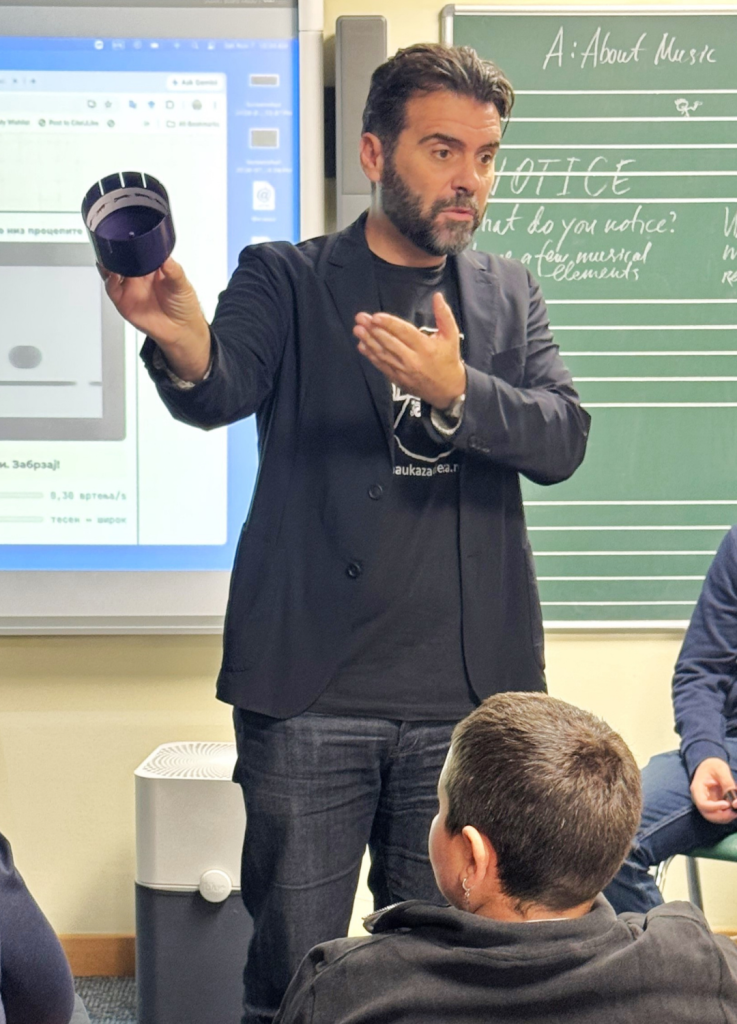
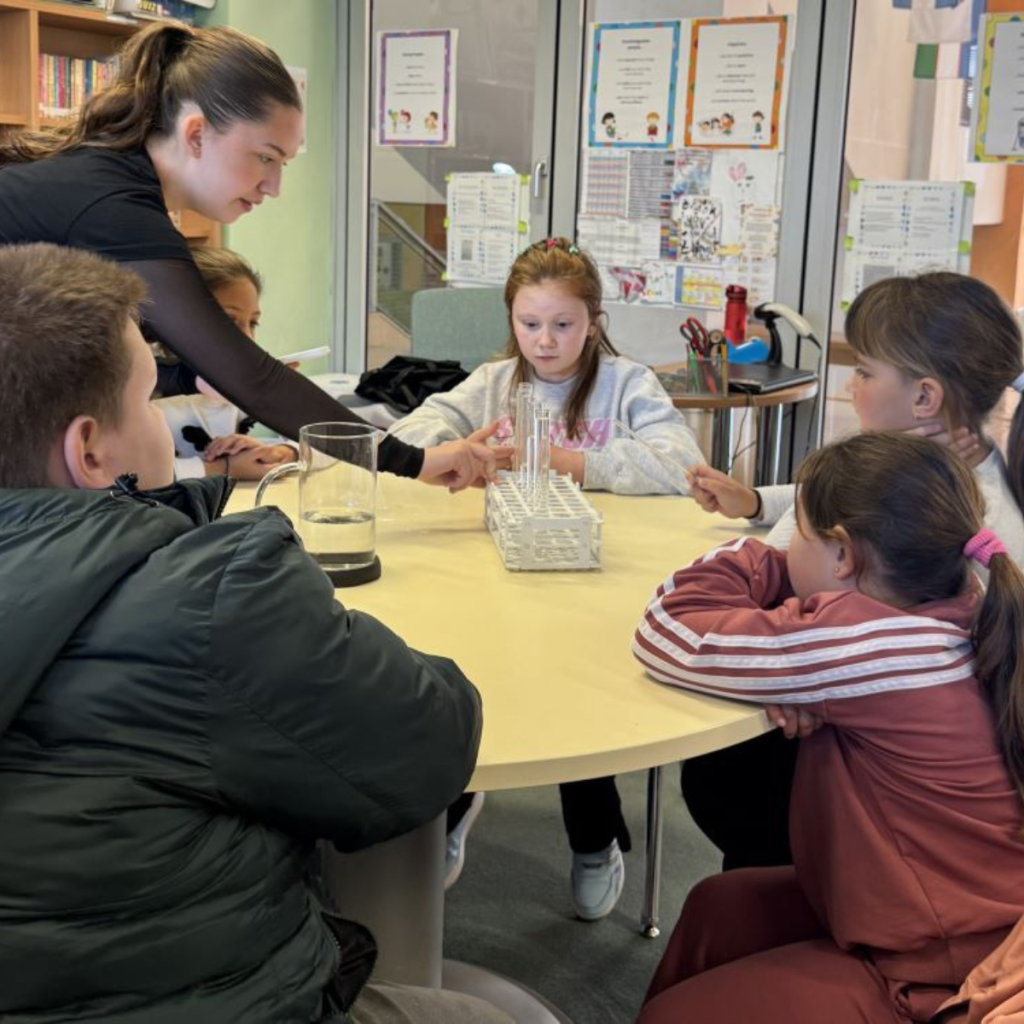
On Saturday, scientific concepts became tangible through interactive workshops. NOVA student Tea Angelovska led an exploration of sound waves, with support from our Chemistry Club, while another workshop introduced children to the science of vision, animation, cameras, and filmmaking. The Chemistry Club also marked the fifth anniversary with five simultaneous experiments.
We are grateful to the organizers, scientists, mentors, students, and volunteers who contributed their knowledge and time.
Making science accessible begins with opportunities to ask questions, test ideas, and learn from people who are willing to share what they know.
How can schools and scientific communities create more opportunities for young people to engage with research? We welcome your perspectives.
| Cookie | Duration | Description |
|---|---|---|
| cookielawinfo-checkbox-analytics | 11 months | This cookie is set by GDPR Cookie Consent plugin. The cookie is used to store the user consent for the cookies in the category "Analytics". |
| cookielawinfo-checkbox-functional | 11 months | The cookie is set by GDPR cookie consent to record the user consent for the cookies in the category "Functional". |
| cookielawinfo-checkbox-necessary | 11 months | This cookie is set by GDPR Cookie Consent plugin. The cookies is used to store the user consent for the cookies in the category "Necessary". |
| cookielawinfo-checkbox-others | 11 months | This cookie is set by GDPR Cookie Consent plugin. The cookie is used to store the user consent for the cookies in the category "Other. |
| cookielawinfo-checkbox-performance | 11 months | This cookie is set by GDPR Cookie Consent plugin. The cookie is used to store the user consent for the cookies in the category "Performance". |
| viewed_cookie_policy | 11 months | The cookie is set by the GDPR Cookie Consent plugin and is used to store whether or not user has consented to the use of cookies. It does not store any personal data. |